Past concert
Sat 29 August 2026
Australian Christian Proms
The Concourse Theatre, Chatswood
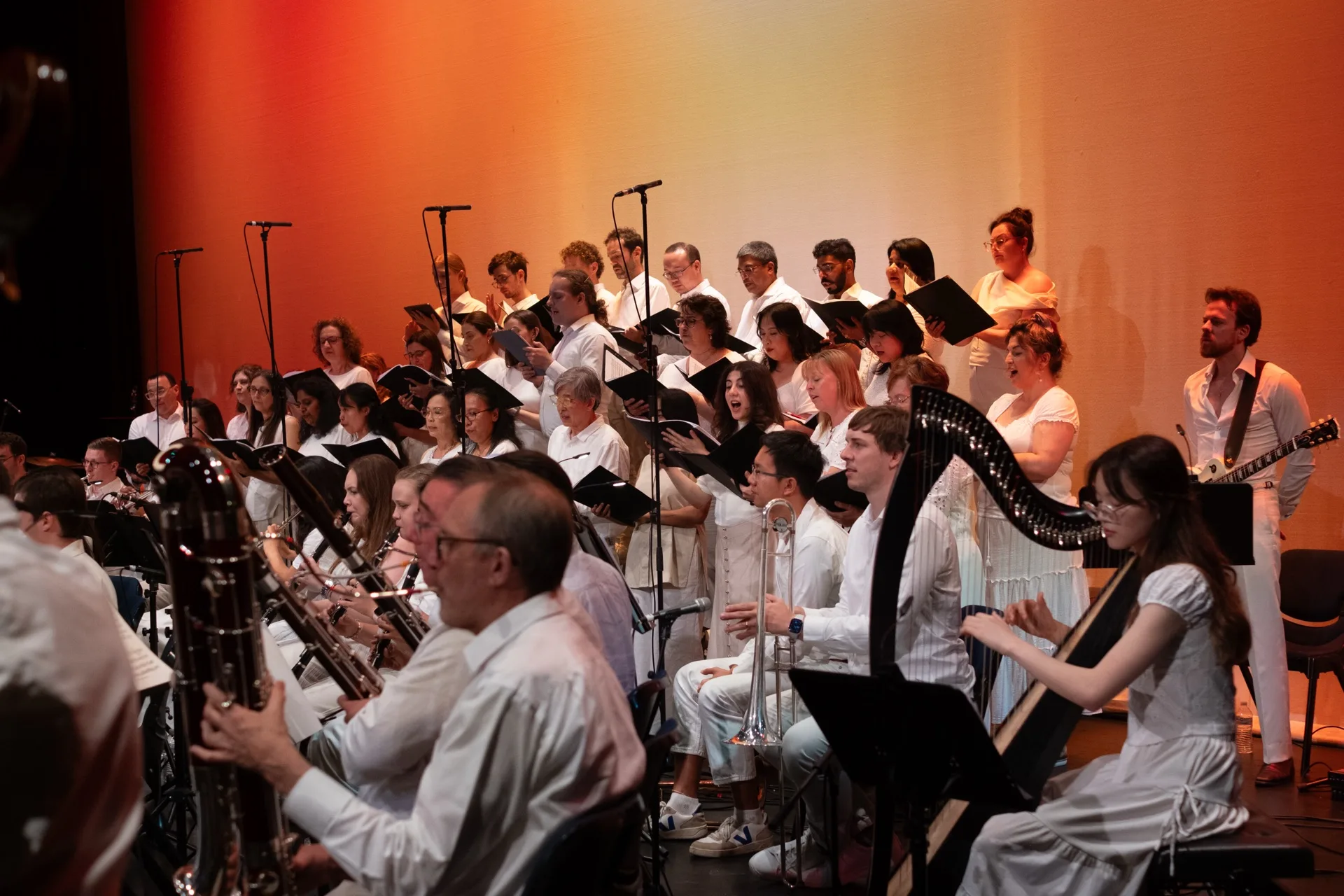
A full symphony orchestra and a choir drawn from 20+ denominations, with the Australian Christian Youth Orchestra and Youth Choir's first public performance.

Concerts // Sydney
Orchestral worship, choral praise, and a community gathered across Sydney. 6,600+ people since 2022, 20+ denominations, one voice.
Next concert // Sydney
Saturday 28 November 2026
Details to be announced. We'll confirm the venue and time closer to the date.
Orchestra, Choir and Youth Orchestra and Choir together to close out the year. Venue and time are still to be announced, so sign up for concert news below and you'll be the first to know.
Concert news
Be first to hear
Stay Connected
Concert announcements, behind-the-scenes stories, and the occasional ask. No spam.
Easter concert, Sydney
Scots Church, Sydney
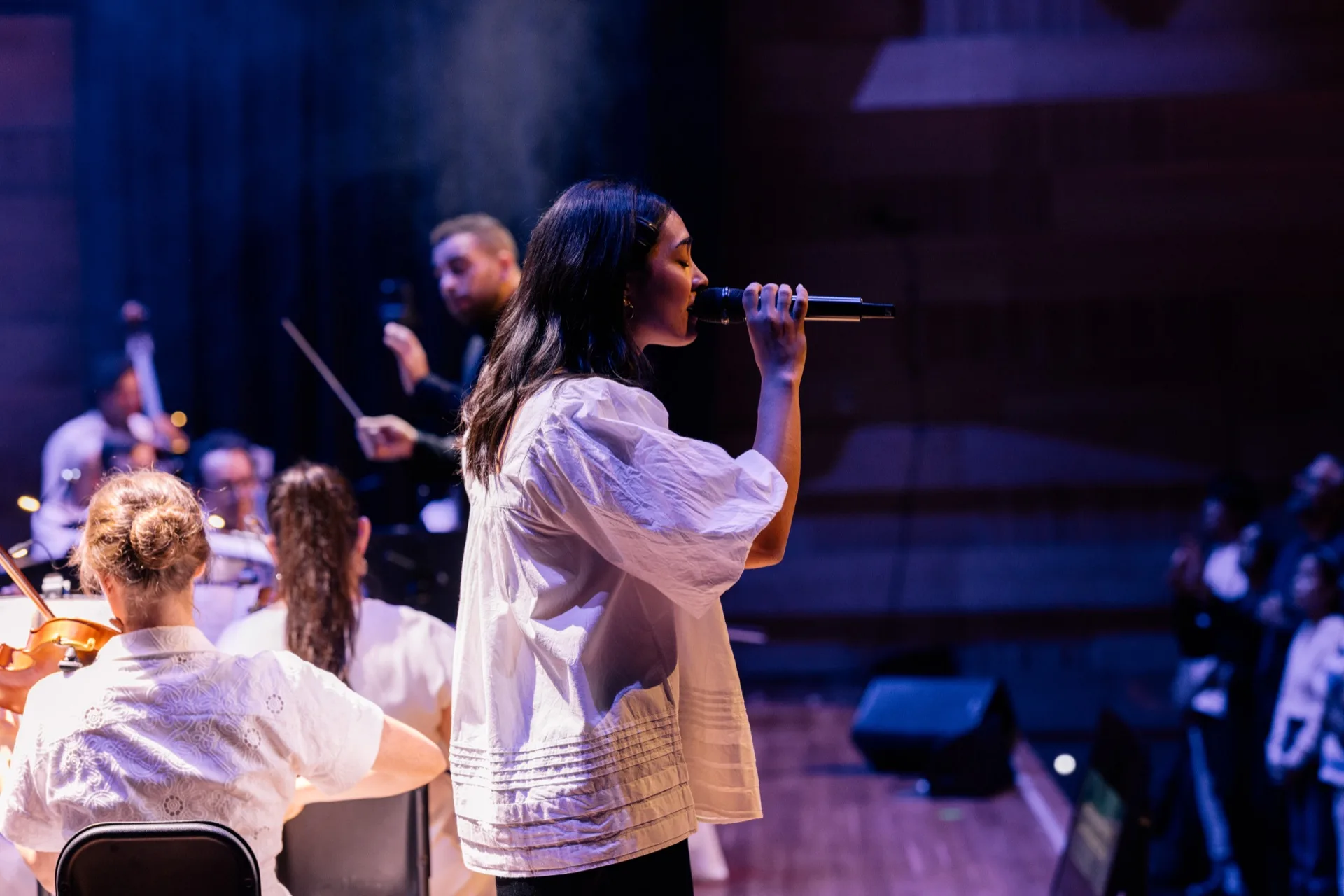
Live in concert
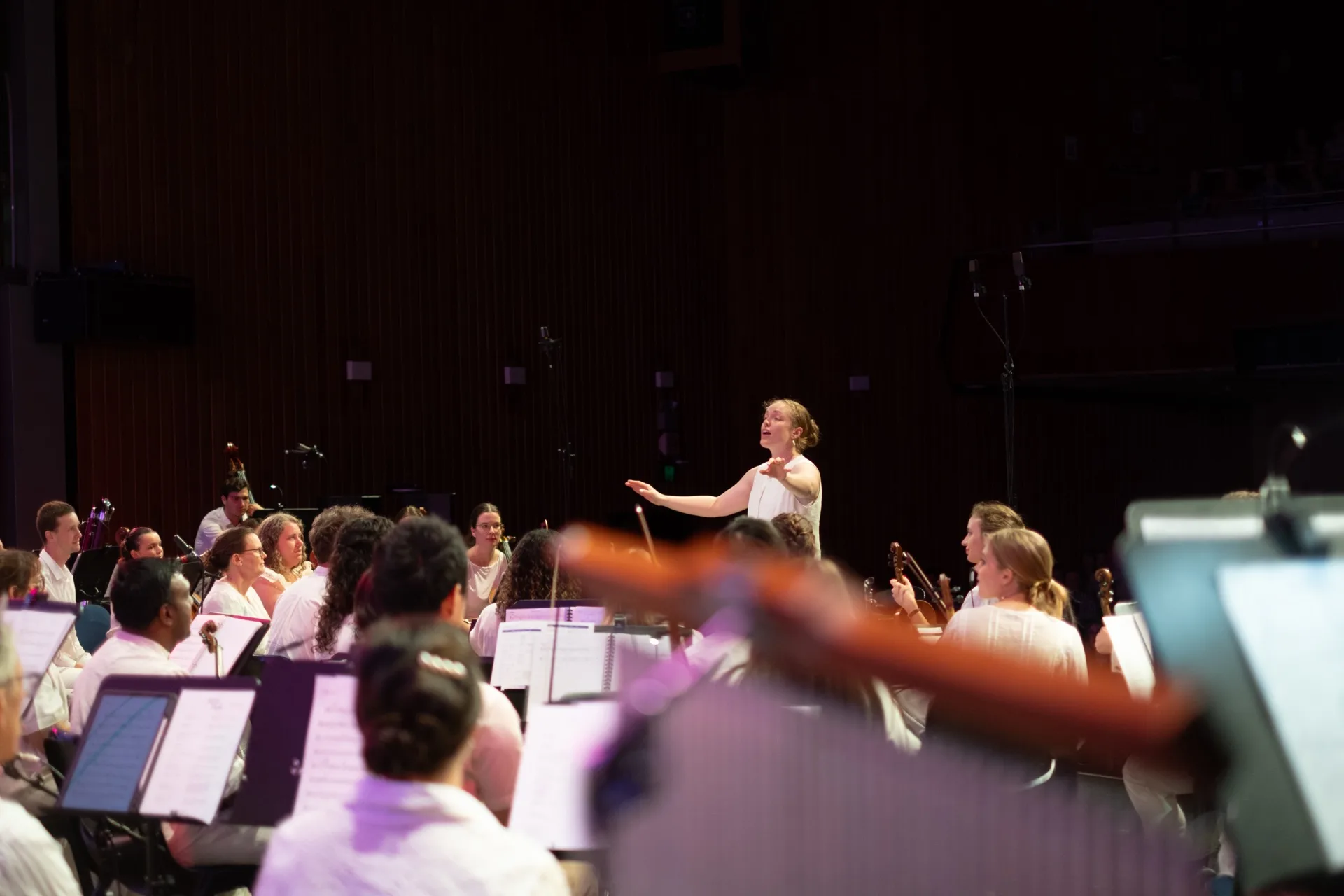
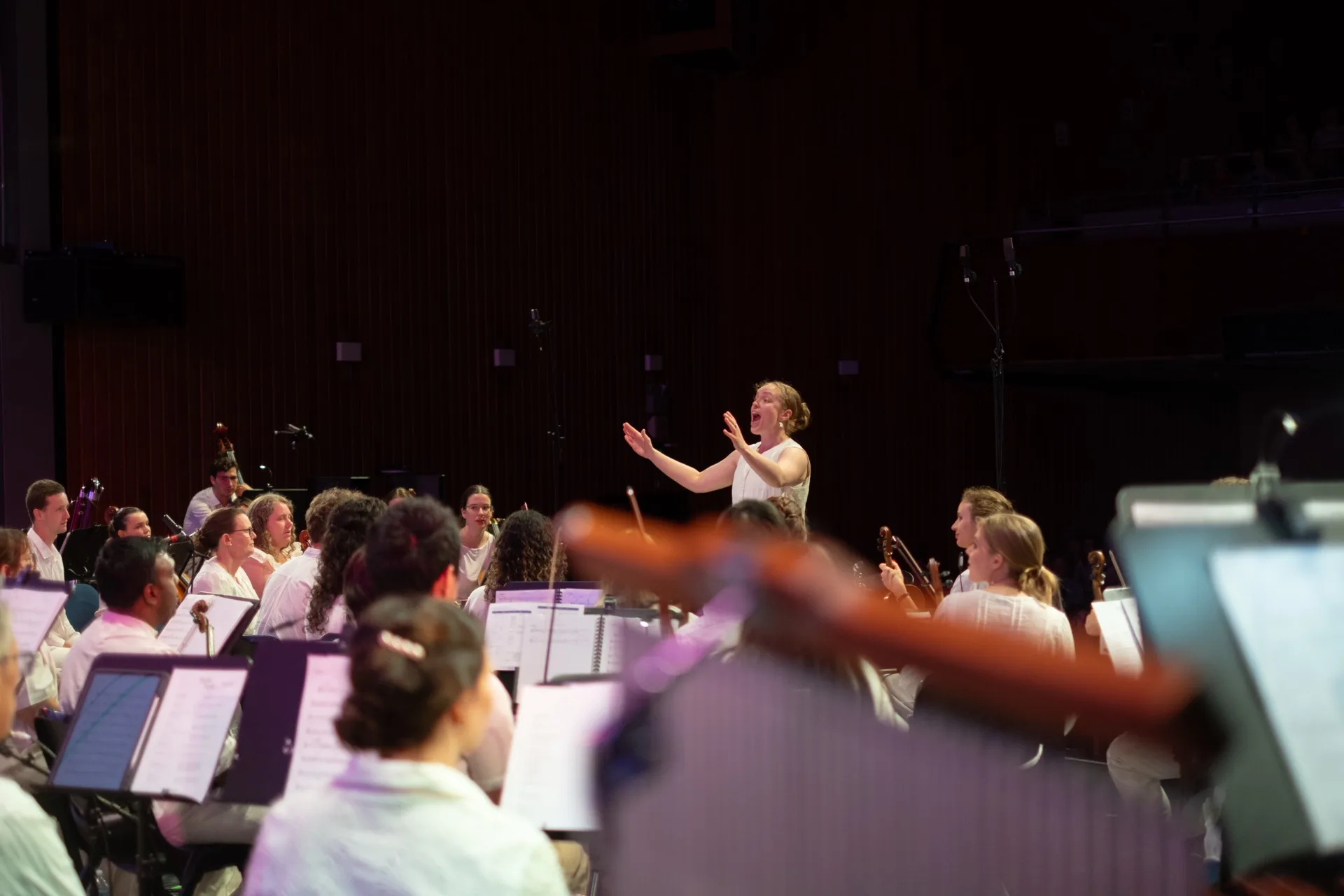
Conducting the Orchestra
Recent concerts
6,600+ people have gathered at AChA concerts since 2022, including 330 who reaffirmed their faith, 208 helped toward finding a church, and 19 new believers. Read more about our growing community.
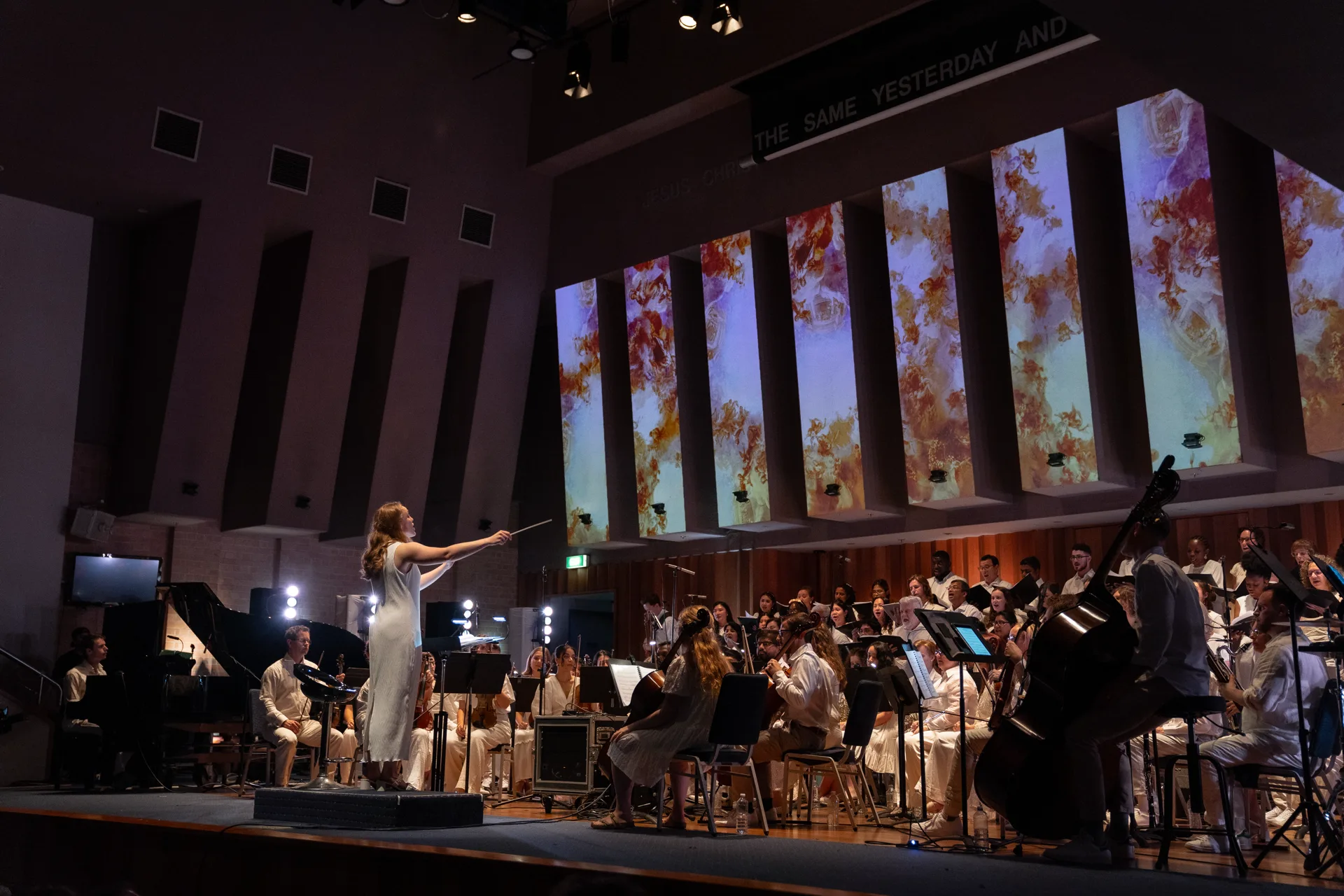
A full symphony orchestra and a choir drawn from 20+ denominations, with the Australian Christian Youth Orchestra and Youth Choir's first public performance.
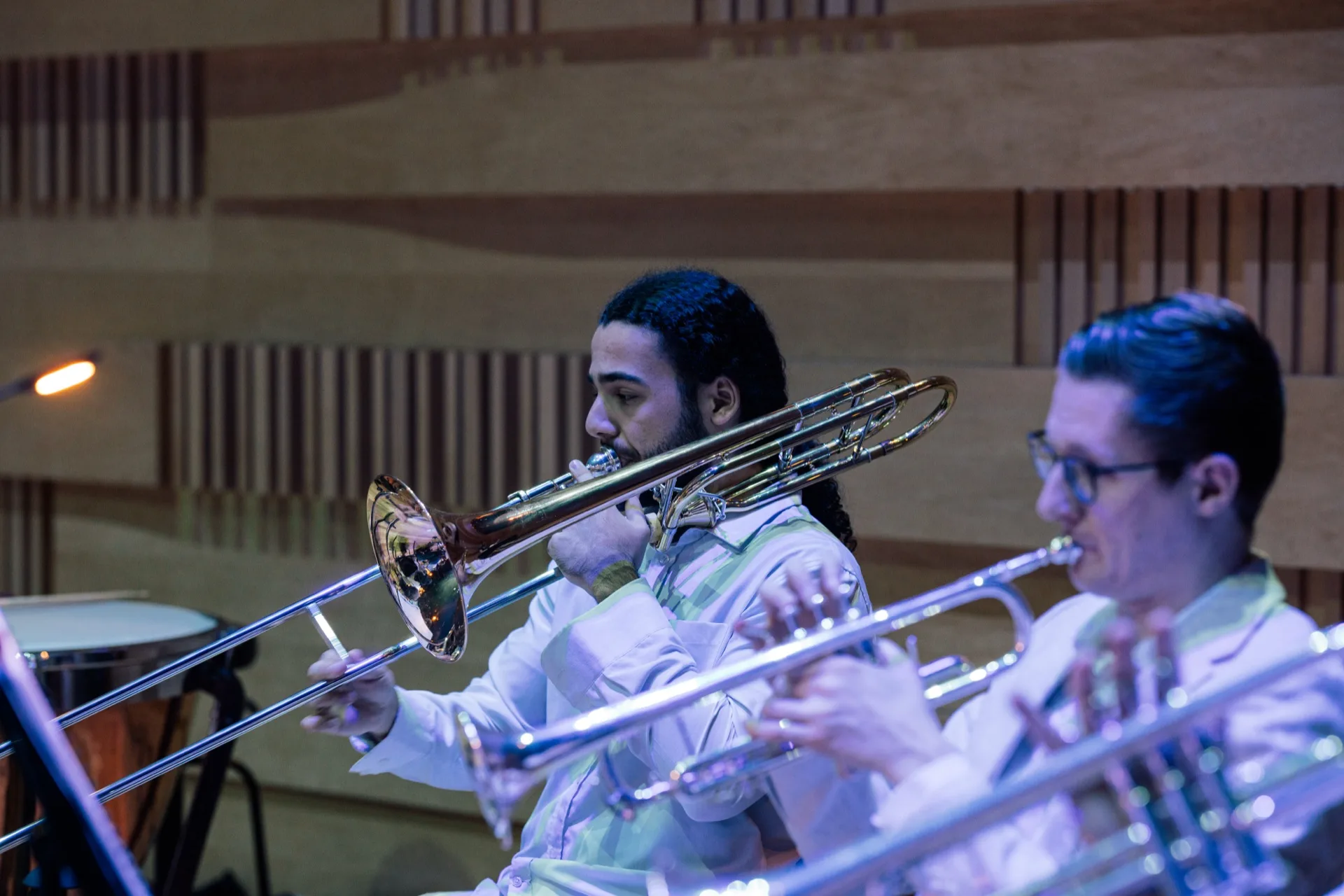
Our flagship Easter concert: Orchestra, Choir, and Youth together, uniting 20+ denominations in an evening of orchestral worship.
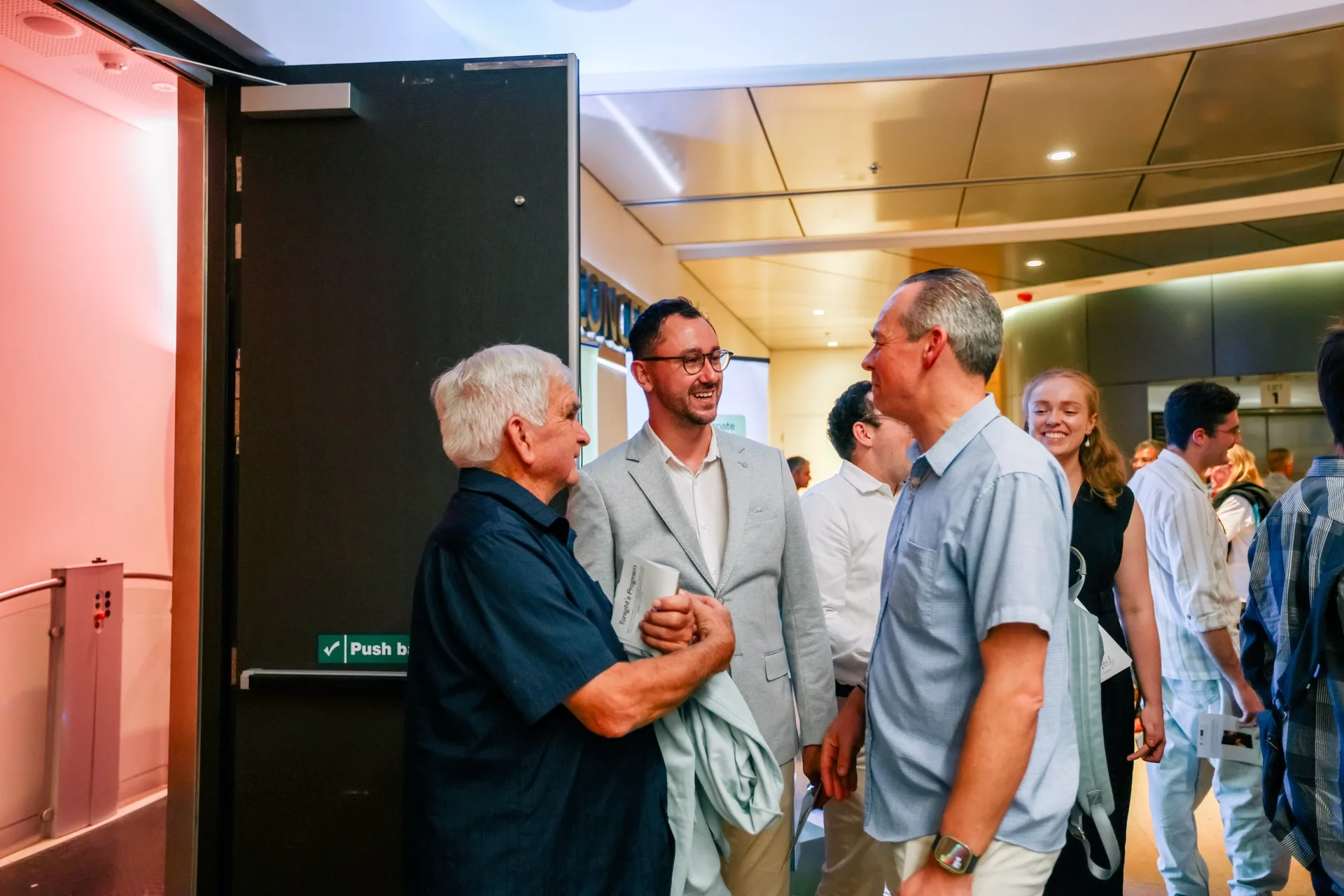
Our first 1,000-seat concert hall, a milestone for the AChA community.
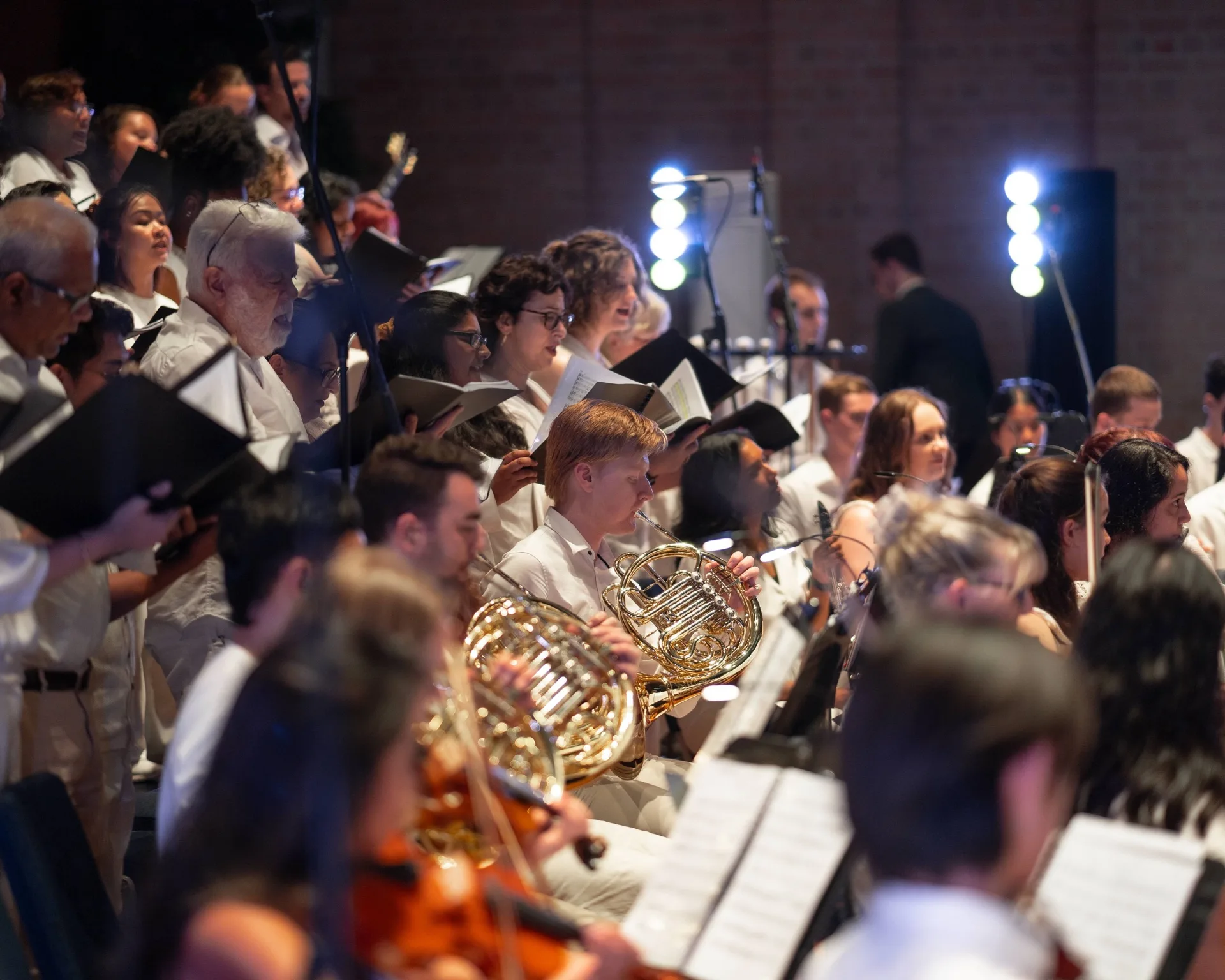
650+ in attendance, the largest AChA gathering to that point. Orchestra, Choir, and Youth combined.
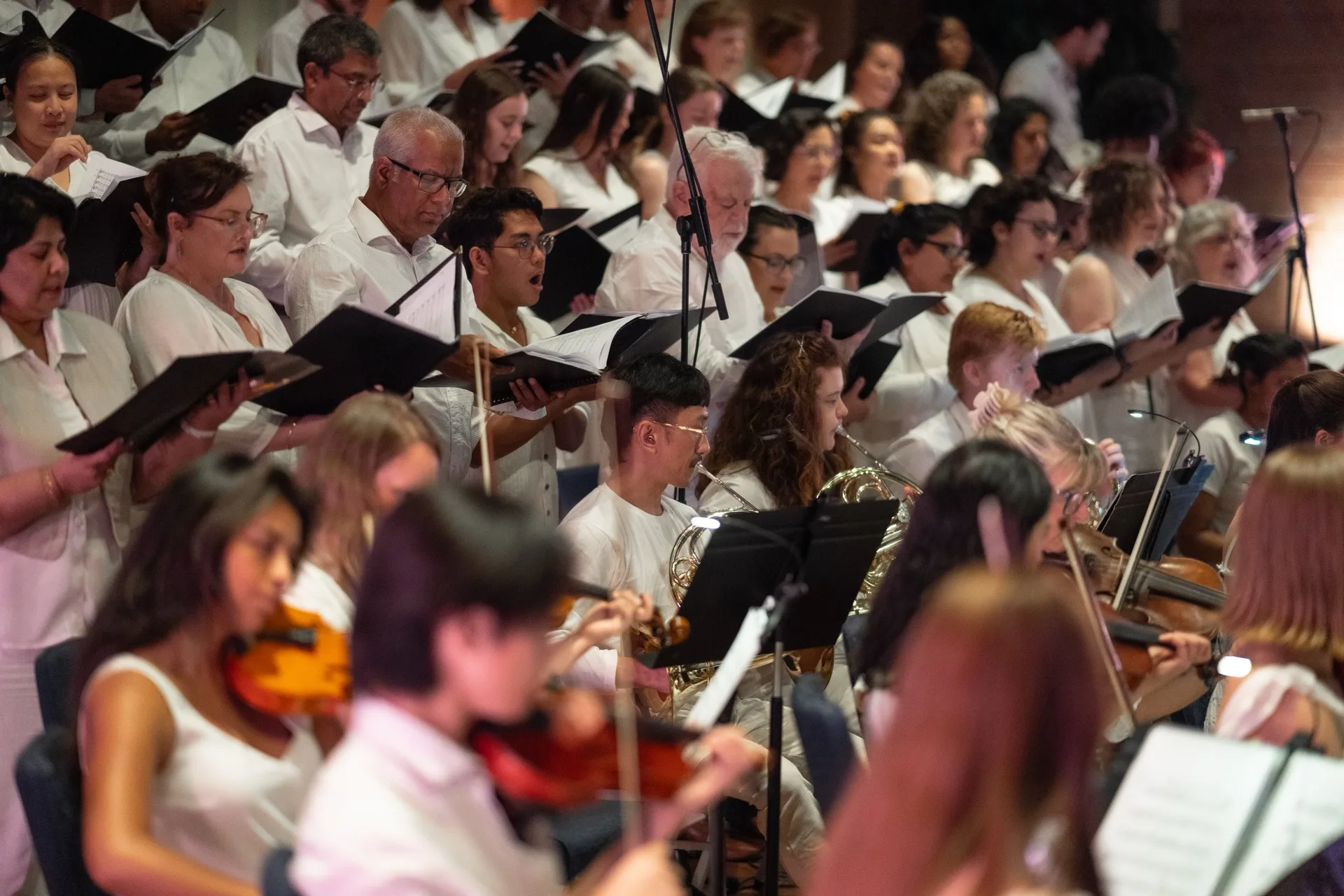
150 people gathered for an intimate evening with a selection of the Orchestra, a quieter sacred-music program on Sydney's northern beaches.
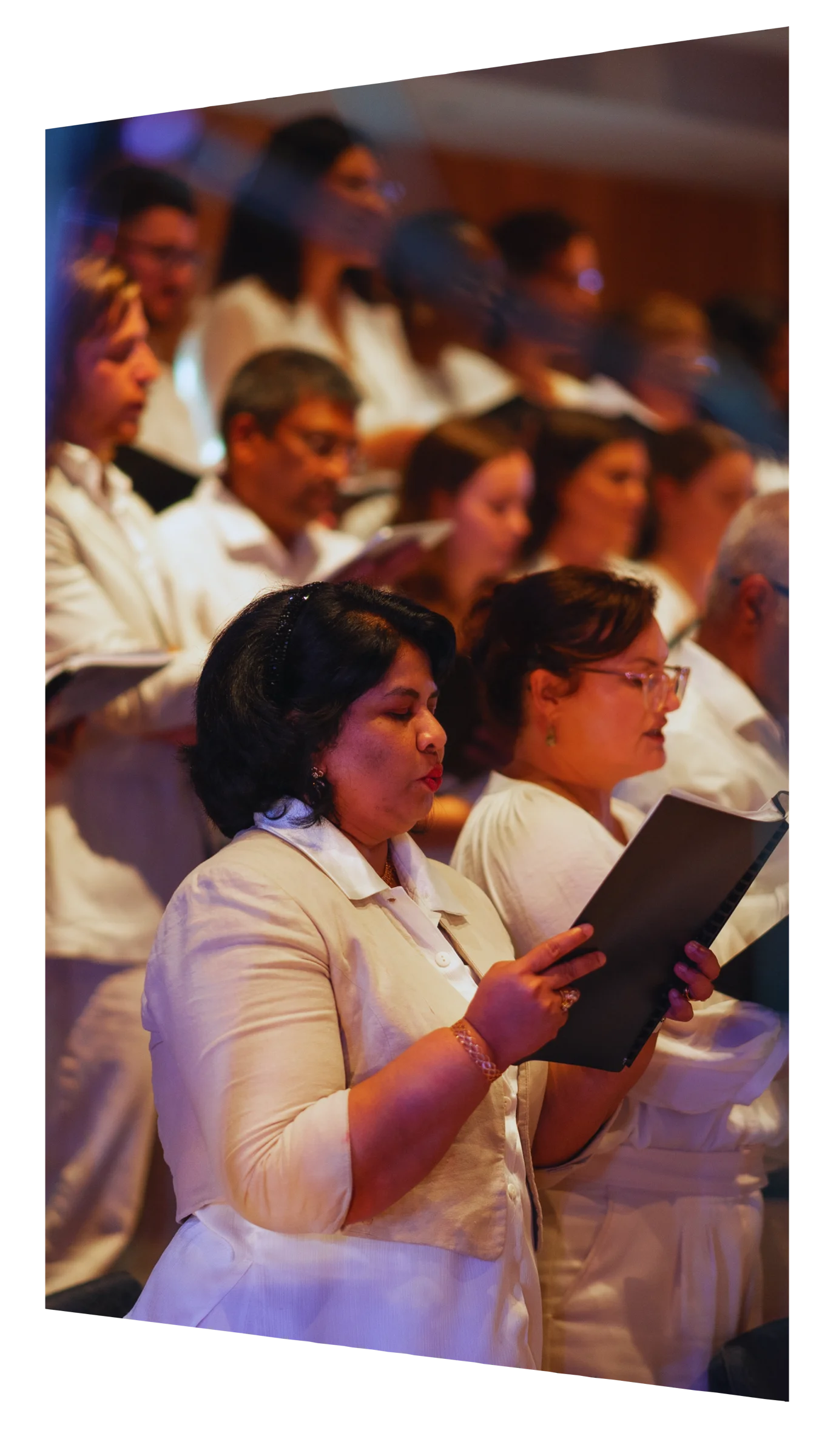
200 people at Scots Church heard the Australian Christian Choir tell its story through song, the Choir's first standalone concert since launching in September 2024.
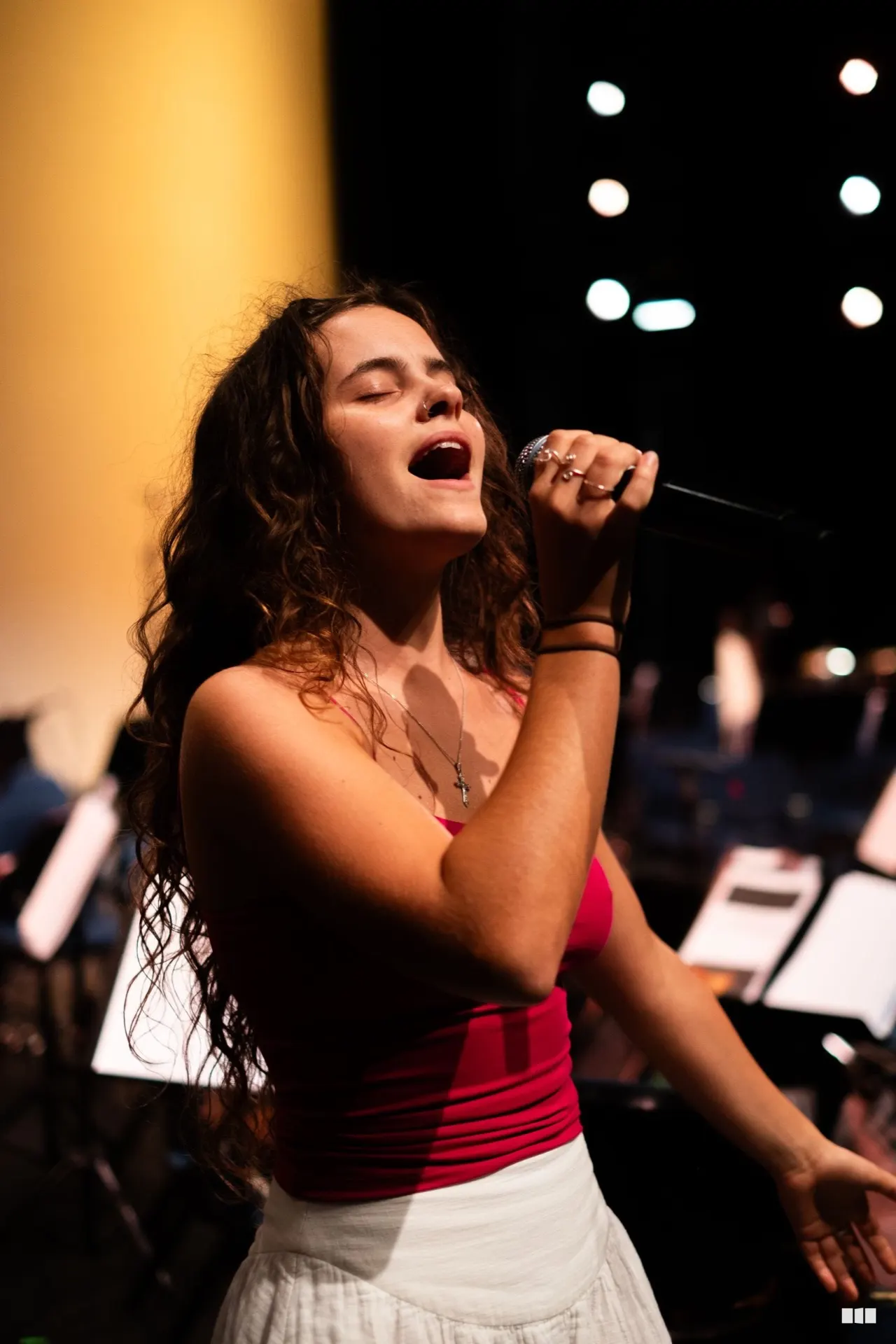
550 people joined the Australian Christian Orchestra for an unforgettable evening of orchestral worship at Scots Church.
An extraordinary 2,500 people experienced worship at Australia's largest gathering of Christian churches. AChA's first interstate tour, and our largest audience to date.
St Barnabas, Broadway, gathered on 12 April 2025 to celebrate Easter through orchestral and choral worship.
800 people gathered for AChA's first combined Orchestra + Choir concert, a milestone performance of Handel's Messiah at the Salvation Army Congress Hall.
Our story in concerts
Every concert is a step toward the vision: gathering thousands under one roof, seeing lives changed, denominations united, and the arts reclaimed for Christ in this nation.
2022
2023
2024
2025
2026
More than a concert
At every AChA concert, we intentionally create space for spiritual response. It isn't a sermon, not an altar call with high-pressure tactics. It's a quiet, genuine invitation.
The arts create a soft landing for the spiritually curious. People encounter beauty, meaning, and the presence of God, and they're often moved to tears. Many have prayed the sinner's prayer for the first time. Others have returned to faith after years away. Others have simply found a sense of belonging they couldn't explain.
We never prescribe how your faith journey must unfold. When you ask, we'll send church options in your area across 20+ Christian traditions: Anglican, Catholic, Pentecostal, Orthodox, Baptist and more.
Or take the Church Finder quiz to get personalised church recommendations.
Behind the scenes
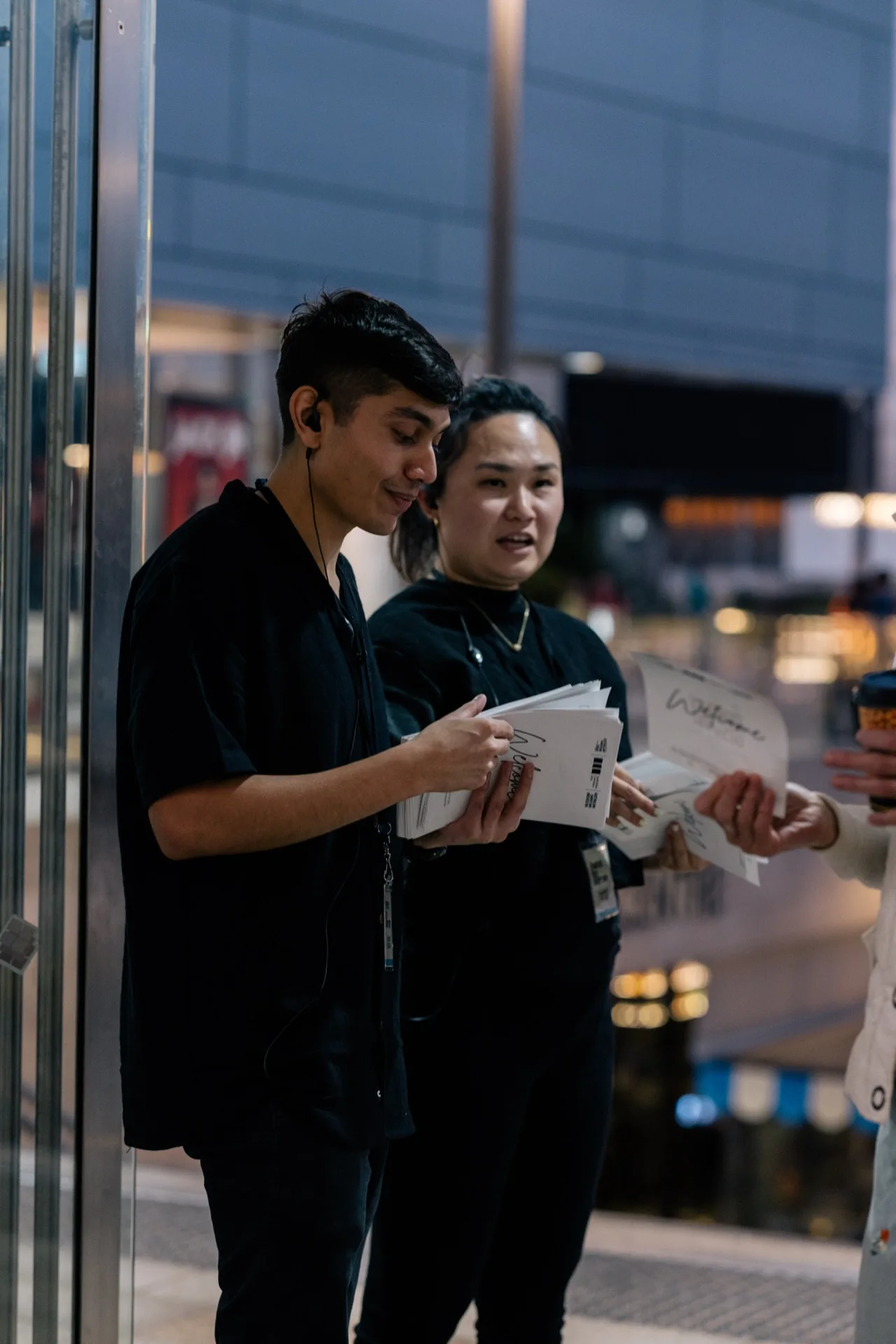
Every AChA concert and rehearsal night is held together by a quiet, hospitable team that almost no audience sees: the Home Team. Welcome team. Check-in. Name tags. Section ushers. Setup crew. Pack-down crew. Hospitality.
We believe the experience of arriving at an AChA event matters as much as the music itself. Walking through the door, being greeted by name, being walked to your seat, knowing where the bathrooms are: these are not small things. They're the difference between a stranger and a guest.
No experience required. Just a warm heart and a willingness to help.
2026 dates
All rehearsals at UTS Building 5, 1 Quay Street, Haymarket NSW 2000.
May
Jun
Jul
Aug
Sep
Oct
Nov
What to expect
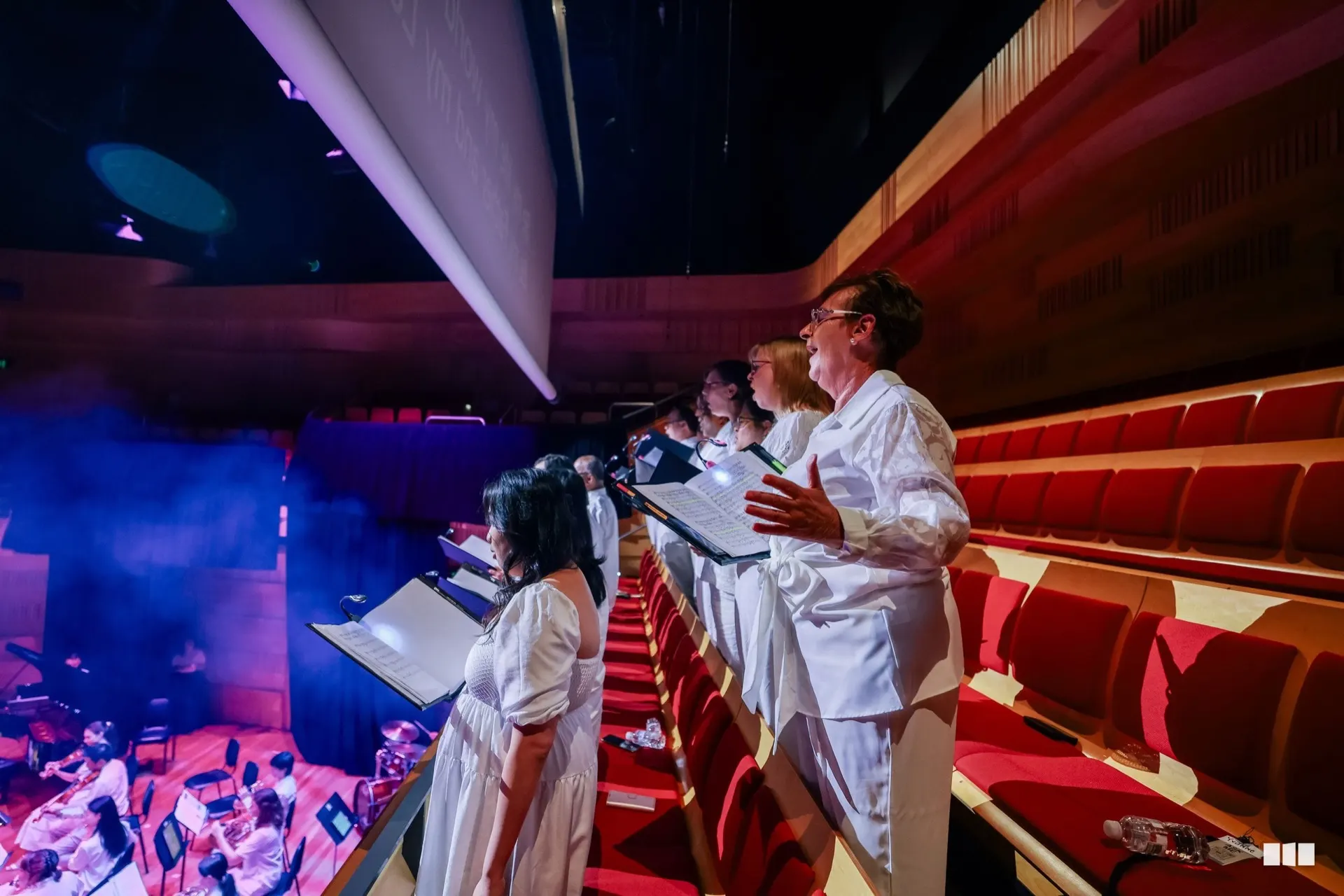
Orchestra and Choir performing sacred and classical repertoire alongside contemporary Christian music, all at the highest standard of excellence.
Every concert includes a quiet, genuine moment of invitation: no pressure, no hard sell. Just an open door for anyone who wants to take a next step with Jesus.
In the audience you'll find Catholics, Pentecostals, Anglicans, Orthodox, Baptists, and many more, gathered as one body. It's a vision of the Church that most people haven't seen before.
Join // Perform // Belong
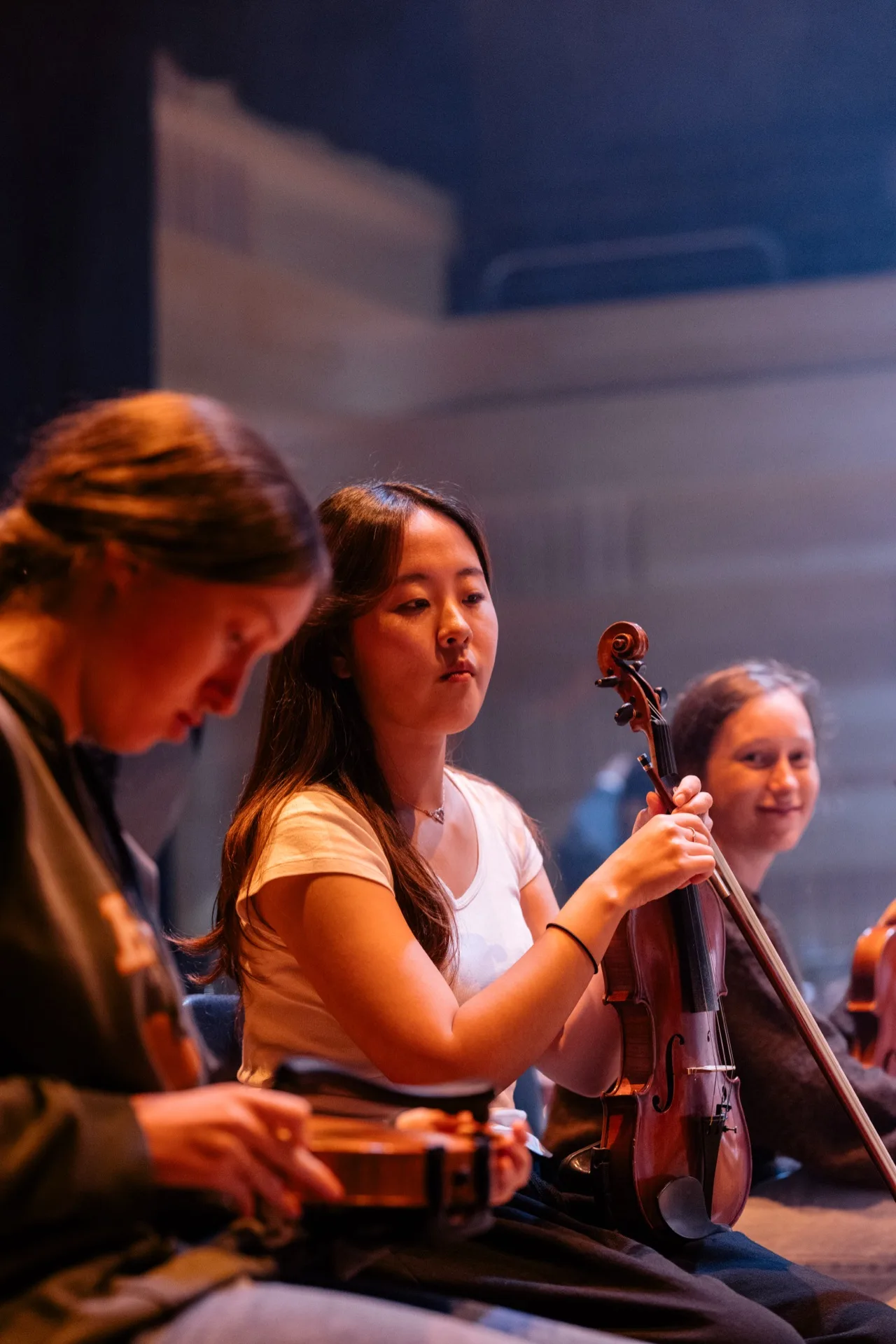
Explore joining the Orchestra, Choir or Youth programs and performing at a future concert.